Best time to visit Ibiraquera & Praia do Rosa, by month
Quick answer
The best time to visit Ibiraquera and Praia do Rosa depends on what you want. December to February brings summer and more visitors. For a whale-focused trip, plan July to November, with the peak generally in September. For kitesurfing, September to March is the reference given by local schools, always dependent on that day’s wind. Each period changes the coast’s rhythm.
In summary
- December to February: summer period and more visitors
- March to May: transition towards cooler days and another rhythm
- June to August: cold weather, fronts and fishing life on the coast
- July to November: planning window for whale watching
- September to March: wind-season reference given by local schools
- Sea and lagoon: conditions and temperature vary with weather
- Accommodation: Ibirahill; check the terms for your chosen house and dates
"There is no wrong time to be here. There are different times — and each one has its own kind of magic."
Introduction
The question of the best time to visit Ibiraquera doesn't have a single answer — and that, curiously, is one of the region's greatest assets. Unlike destinations with a narrow window of good weather, Ibiraquera offers genuine reasons to be here in any month of the year. What changes is the rhythm, the landscape, and what's on offer.
The best time to visit Ibiraquera depends on what you want. For beach and social life, December to February usually brings more visitors. For whales, July to November. For kite, September to March is the reference given by local schools. September to November can combine opportunities from those two seasons, depending on conditions.
This guide covers all twelve months honestly: what each season offers, where it falls short, and which traveller profile each period suits best.
When to Visit Ibiraquera: The Year at a Glance
A quick overview before diving into the detail:
| Month | Planning reference | What to check |
|---|---|---|
| January | Summer and more visitors | Forecast, access and reservations |
| February | Summer; Carnival can change visitor numbers | Holiday dates and services |
| March | Transition after the summer peak | Wind, swell and opening days |
| April | Days becoming cooler | Sea, forecast and services |
| May | Reference for the start of mullet season | Fishing rules and flags |
| June | Cold weather and coastal fishing life | Weather, paths and local services |
| July | Usual whale window and school breaks | Animal reports and your family’s calendar |
| August | Useful whale-watching window | Visibility and presence in the bays |
| September | Usual whale peak; wind-season reference begins | Sighting reports and riding-spot assessment |
| October | Whales and wind can be part of an outing | Conditions and announced events |
| November | End of the main whale window | Seasonal reports and the day’s wind |
| December | Approaching summer and festivities | Reservations, access and forecast |
The Santa Catarina Summer: December to February
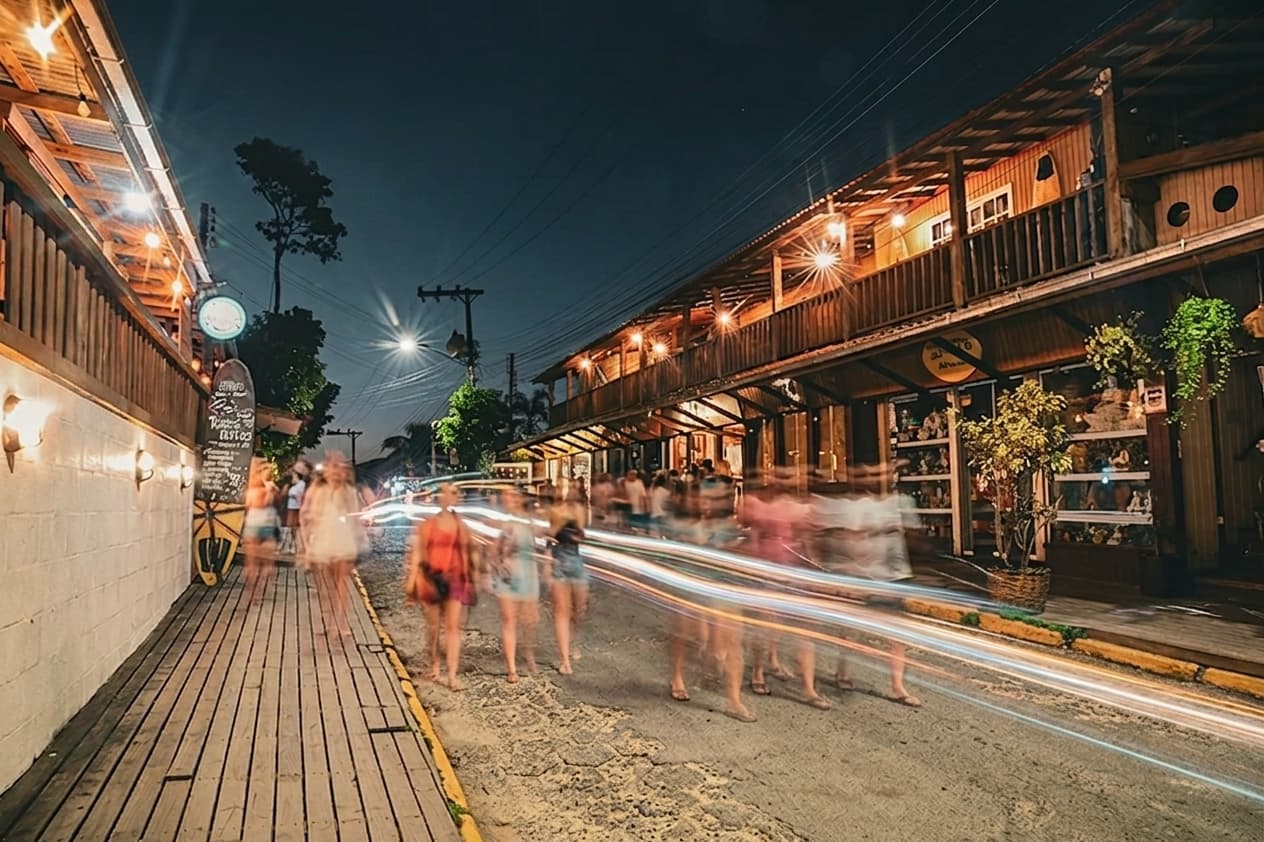
Summer in Ibiraquera is exuberant and unapologetic. The heat arrives fast, the beaches fill, and Praia do Rosa — the social heart of this coastline — becomes a complete destination: restaurants packed, nights that last, and an energy that photographs rarely capture in full.
For learning surf or kite in summer, arrange the spot and time with a school. Calm seas, consistent wind and an available instructor are not guaranteed without planning. Lagoon depth and space also determine the session.
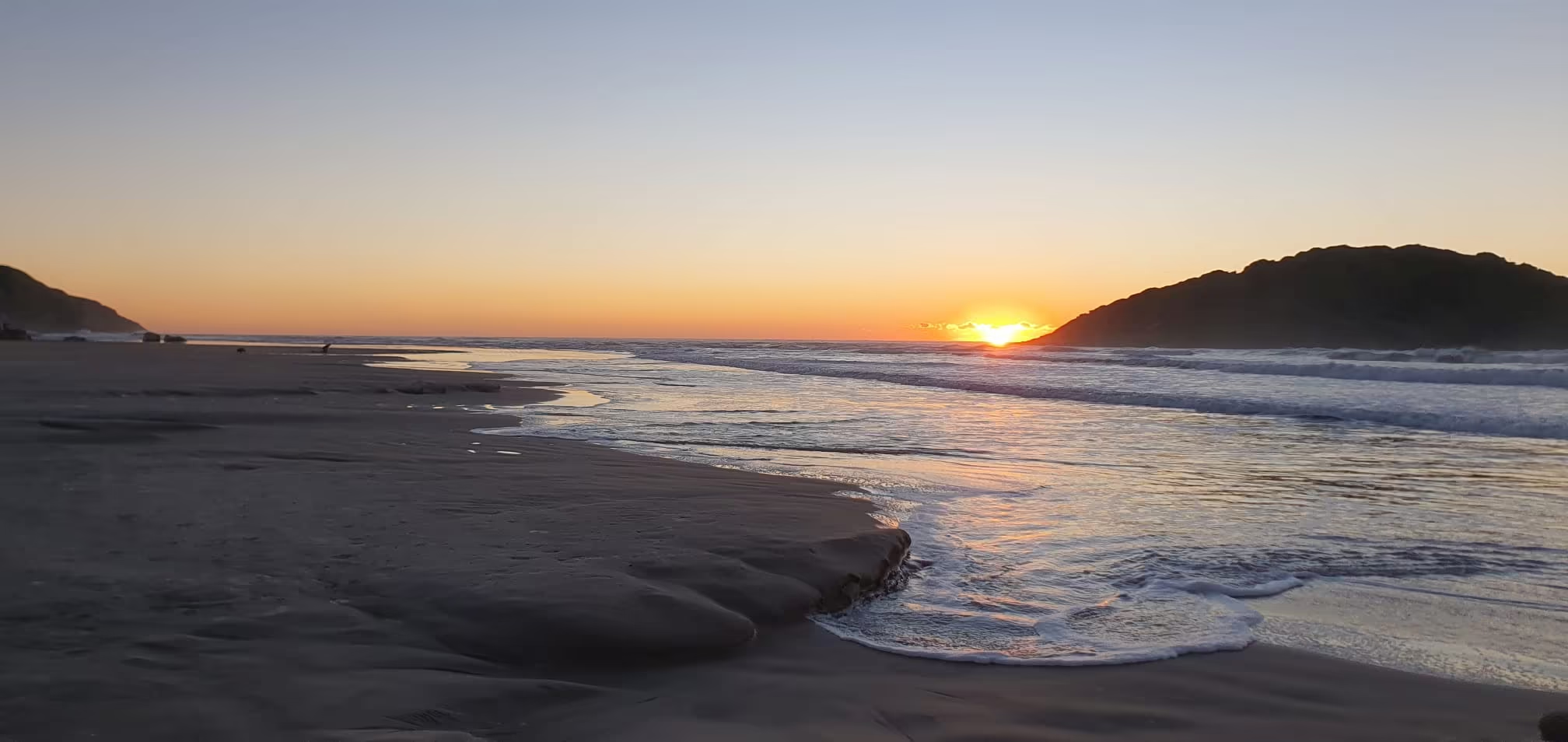
Praia do Luz is another option when you want a different outing from Rosa. It has unpaved road access and walking routes; visitor numbers change with day and season. From Ibirahill, the reference is about 15 minutes on foot or 3 minutes by car. Setting out early can give you more time to follow the light and sea.
Can suit: Beach, social life and restaurants, with lessons chosen for conditions. Worth knowing: Book ahead and check access; Rosa can be busy on summer weekends.
March and April: When the Coast Breathes
March and April are transition months. After the summer peak, the coast usually changes rhythm. Holidays and weekends can still bring visitors; look at the calendar before choosing dates.
Heat begins to ease, but rain and cold fronts remain possible. For surf, check swell and wind: the session’s quality depends on the day rather than guaranteed improvement each month.
March remains within local schools’ wind-season reference. In April, as through the year, choose the lesson or session for the forecast and conditions.
Can suit: Outings away from the summer peak and surf sessions chosen for the sea. Worth knowing: Some services change hours after the season. Check directly before heading out.
The Tainha Season: May to July
Between May and July, mullet season usually mobilises the coast. Shoal arrivals vary and capture rules depend on fishing method. On fishing stretches, check flags and local guidance before entering: sports may be suspended or redirected elsewhere.
This is not tourist spectacle — it is the real life of the people who live on this lagoon. Whoever is here during these weeks is witnessing something genuinely rare: a tradition that was not staged for visitors, that happens because it has to happen, at the rhythm of the tides and the shoals.
Cooler weather calls for layers and rain protection. Cold fronts can bring demanding wind and seas; beach visits and surf sessions depend on the day’s conditions.
July is within the usual whale-watching window, though earlier sightings occur. Fishing and animal presence depend on the season, without guaranteed overlap.
Best for: Experienced surfers, lovers of local culture, those who want to witness an authentic ritual, nature photographers. Worth knowing: Cold, especially at night. Many establishments in Ibiraquera reduce hours or close entirely.
July to November: Whale Season
July opens the main planning window for watching whales. When they appear, the landscape changes scale.
This coast is part of an important southern right whale breeding area. Females come from colder feeding areas to calve and nurse in the bays. August and September usually bring more animals, with the peak generally in September. October and November are also within the travel window, with variable presence.
Land-based watching is frequently superior to boat trips: the cliffs above Praia do Luz, the slopes of Morro Elegante, the natural lookouts above Rosa Norte. In good conditions, whales are visible from the Ibirahill terrace. For a full guide on where and how to watch responsibly, see our dedicated article on whale watching in Ibiraquera and Praia do Rosa.
Best for: Whale watchers, nature lovers, photographers, travellers looking for experiences with real emotional impact. Worth knowing: July and August are cold — pack layers for the evenings.
September to November: The Best Time to Visit Ibiraquera
If pressed to identify a single window as the most balanced time of year to visit Ibiraquera, it would be September to November. It is the favourite period of those who know the region well — and there are concrete reasons for that.
September usually brings the whale peak and begins local schools’ wind-season reference. In October and November, both possibilities may still be part of an outing. Forecasts, animal reports and spot assessment guide each day’s plans.
It is a window for combining interests and leaving time between outings. Visitor numbers change with weekends, holidays and events; the coast is not reserved for one kind of trip.
October can combine whales, kite and local outings. If your dates are flexible, consider this window alongside what matters most for your trip, without expecting every encounter in the same week.
Can suit: Families, couples and travellers who want different outings, depending on the level and conditions for each activity.
Kitesurfing in Ibiraquera: The September–March Window
For kite and wingfoiling, September to March is the main window given by local schools. It does not guarantee daily wind, enough depth for a foil or an absence of obstacles. Schools choose a lagoon stretch for the session; at Barra, the assessment is for open sea.
For a complete guide to conditions, spots, and kite logistics at Ibiraquera, see our dedicated article: Kitesurfing Ibiraquera — Guide to Lagoon & Wave Riding.
Ibirahill in Every Season
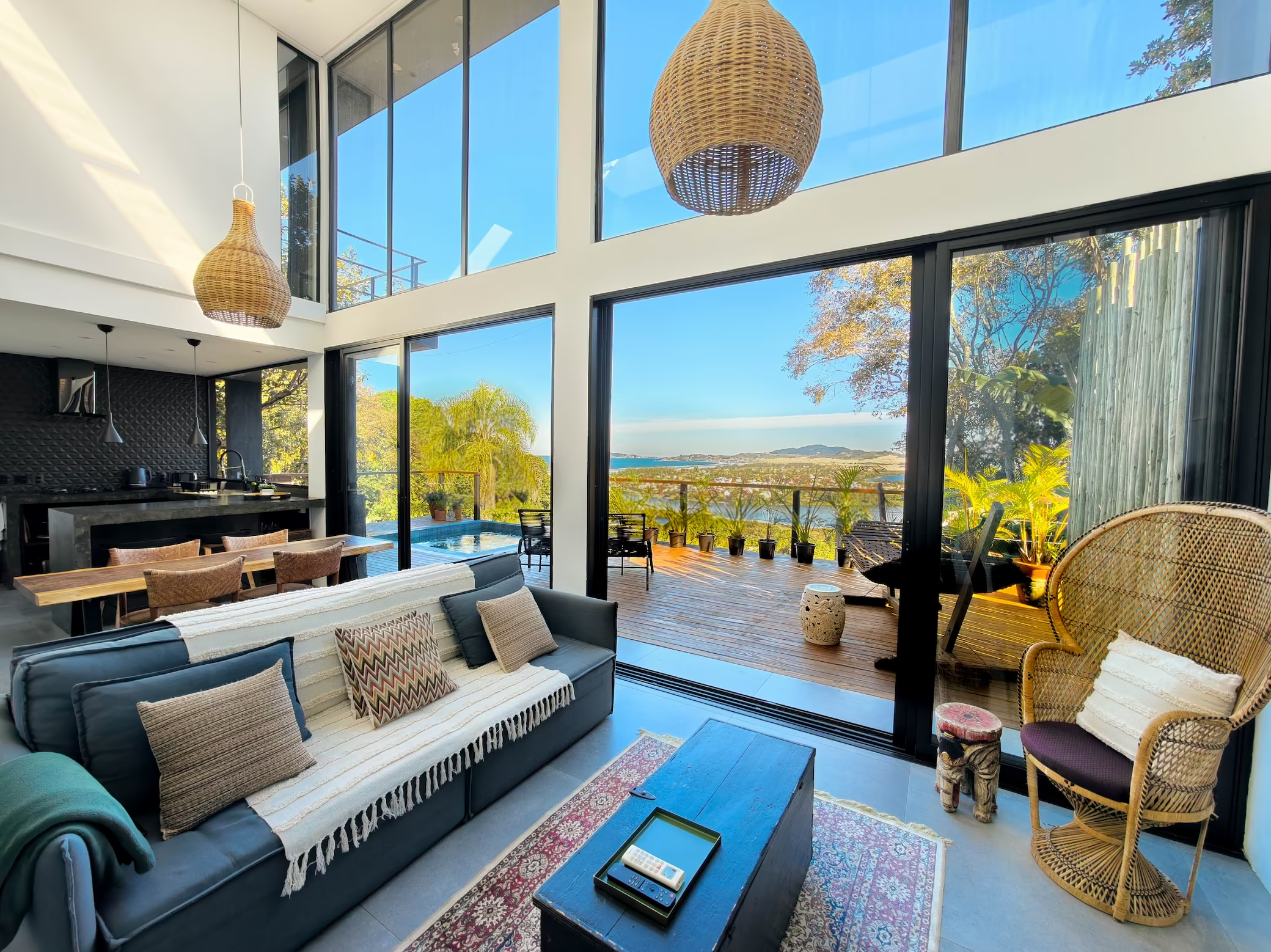
Ibirahill stands on Morro do Elegante in Ibiraquera. Praia do Luz is about 15 minutes on foot or 3 minutes by car. Through the year, the house follows changes in coastal light and weather, leaving room for outings and staying in.
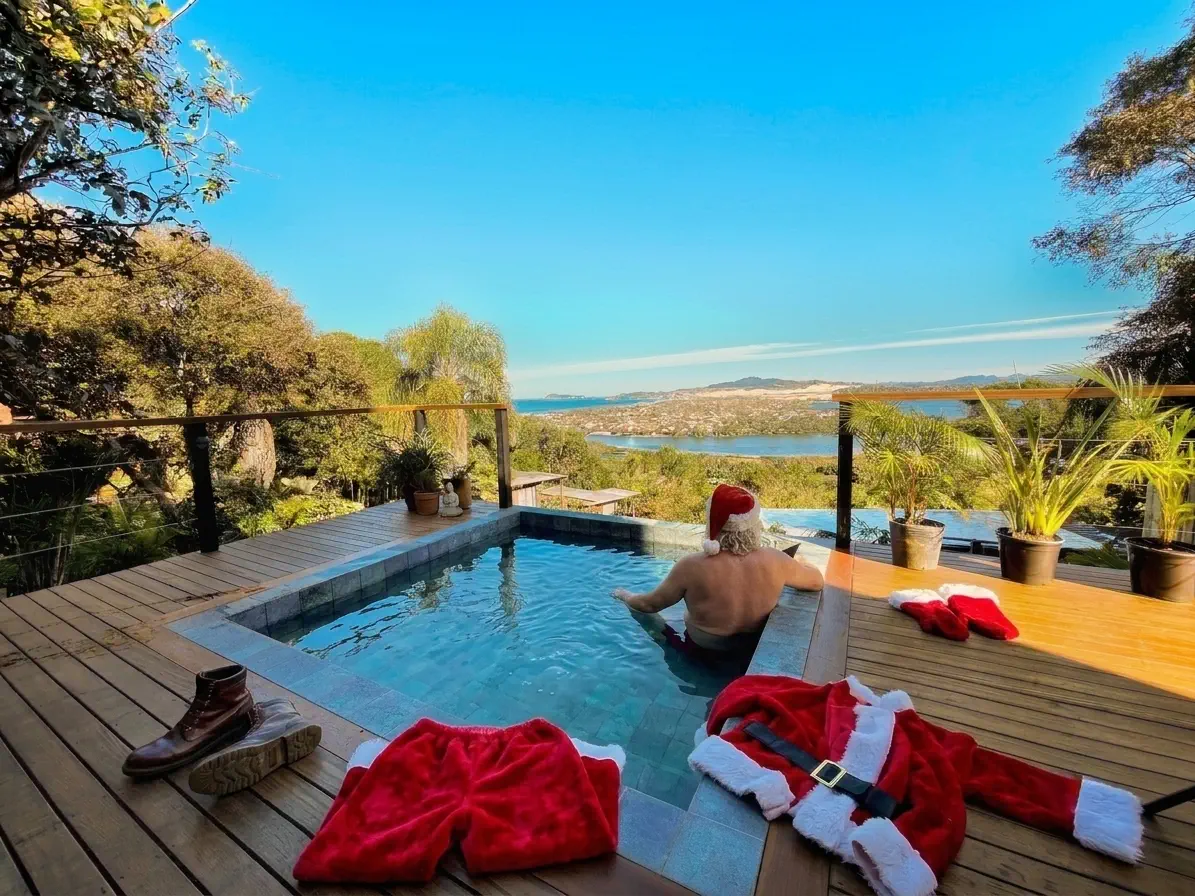
At Casa Galeria, the pool heated to 30°C year-round and fireplace are part of the stay. Casa Atelier has an outdoor tub and fire pit. Casa Bajau opens a 180° view and also has a fire pit. In season, whale sightings from Ibirahill’s terraces are frequent, without a promise for every house or visit.
There is no wrong time to be here. There is only the right time for what you want to live.
→ Explore our houses and check availability for whichever season calls you at ibirahill.com/casas. For questions and planning, get in touch.
→ Or see dates and rates and book direct — no intermediaries.
Read Also
- our complete Ibiraquera guide
- Whale Watching Near Praia do Rosa — Complete Guide 2026
- Kitesurfing Ibiraquera — The Ultimate Guide to Lagoon & Wave Riding in Southern Brazil
Frequently Asked Questions
Q: What is the best time of year to visit Ibiraquera? A: It depends on what you want. December to February usually brings more visitors. For whales, plan July to November; for kite, local schools use September to March as a reference. September to November can combine opportunities from both seasons.
Q: What is winter like in Ibiraquera? Is it worth visiting? A: Usually cooler and, on average, less rainy than summer. Cold fronts bring wind and rain. Fishing life and the whale window give other reasons to know the coast, according to rules and conditions. Bring warm layers and rain protection.
Q: Does Ibiraquera get very crowded in summer? A: Visitor numbers increase on weekends, holidays and at the summer peak, particularly at Rosa. Luz has road and walking access; it is not guaranteed empty. Choose the outing and time for conditions and allow time for parking.
Q: When can I see whales in Ibiraquera? A: For planning, July to November. August and September usually bring more animals, with the peak generally in September. In season, sightings from Ibirahill’s terraces are frequent. See the whale-watching guide.
Q: What is the best time to kitesurf in Ibiraquera? A: September to March is local schools’ reference. Forecast and spot assessment determine the session for wind, depth and rider experience. See Kitesurfing in Ibiraquera.
Keep exploring
- The kitesurfers of Ibiraquera: community and riding spots.
- Things to do in Ibiraquera: activities through the seasons.
- Artisanal fishing and the mullet run: work and shared use of the coast.
Frequently Asked Questions
Q: What is the best time of year to visit Praia do Rosa? A: Summer brings beach and social life, with more visitors and changing weather. Outside that peak, there are other possibilities: whales from July to November and wind according to season and day. Choose dates for the outing you want.
Q: Is it cold in Ibiraquera in winter? A: Winter is cooler, with cold fronts that can bring wind and rain. Pack layers, warm clothing and rain protection. Water temperature also changes with weather.
Q: When is high season at Praia do Rosa? A: The main busy period is late December to Carnival. School breaks, holidays and events also change demand. Check stay terms for your dates.
Q: What is the sea temperature in Ibiraquera? A: Sea and lagoon temperature change with season and weather. The lagoon can warm faster in summer. For surf or sailing, choose a wetsuit for the day’s conditions with advice from the school.
Q: Is Ibiraquera worth visiting in March or April? A: Yes, if you want to know the coast after the summer peak. These are transition months, with easing heat and variable weather. Check forecasts and opening days without counting on fixed savings or guaranteed waves.