Artisanal fishing in Ibiraquera: mullet and tradition
Quick answer
Artisanal fishing in Ibiraquera revolves around mullet (Mugil liza), whose season usually mobilises the coast between May and July. Shoal arrivals change from year to year. Authorised dates, quotas and closures follow the rules published for each fishing method. On the sand, the catch remains community work and knowledge passed between generations.
In summary
- 🐟 Species: mullet (Mugil liza)
- 🗺️ Landscape: the Ibiraquera and Praia do Luz coast
- ⚖️ Capture rules: check current MPA/MMA regulations for the fishing method
- 👨👩👧 Tradition: community fishing, with knowledge passed between generations
- 📅 Season reference: May to July; arrivals and closures vary
- 🚗 Praia do Luz from Ibirahill: about 3 minutes by car or 15 minutes on foot
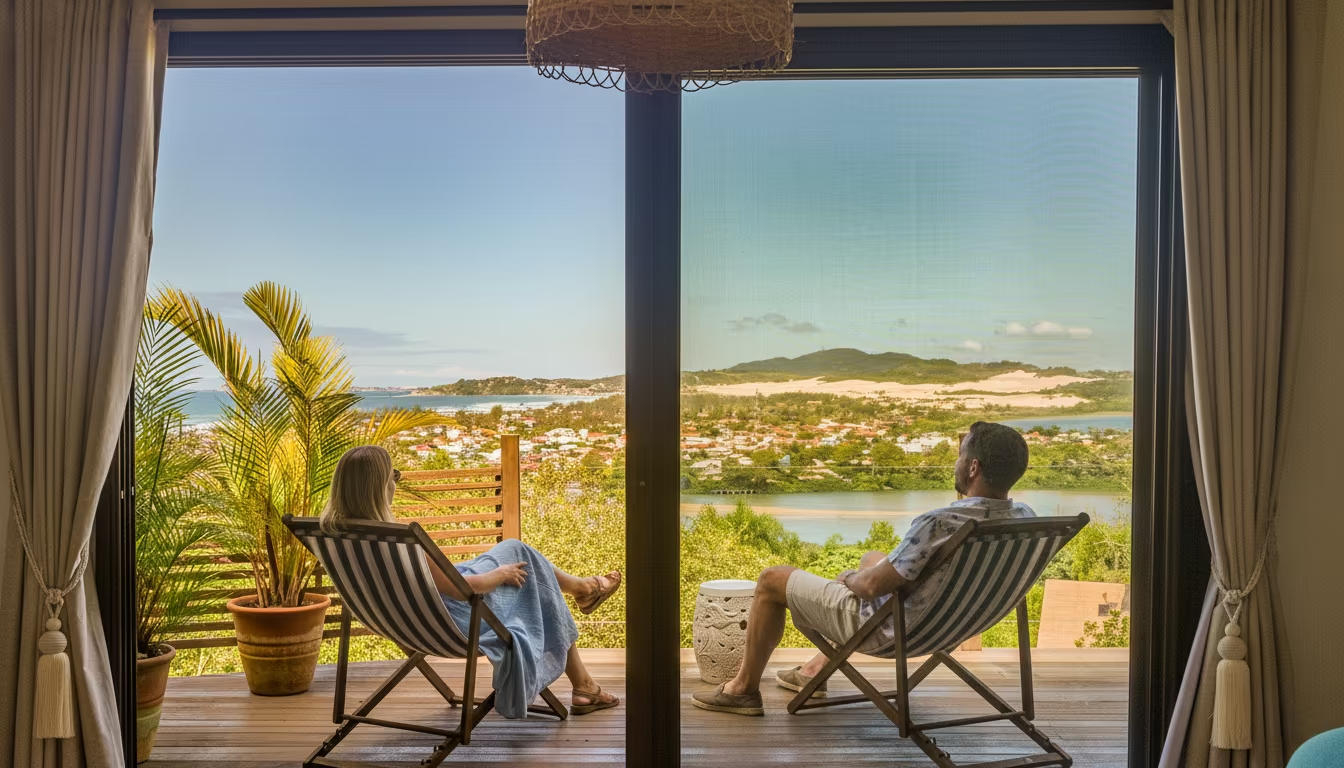
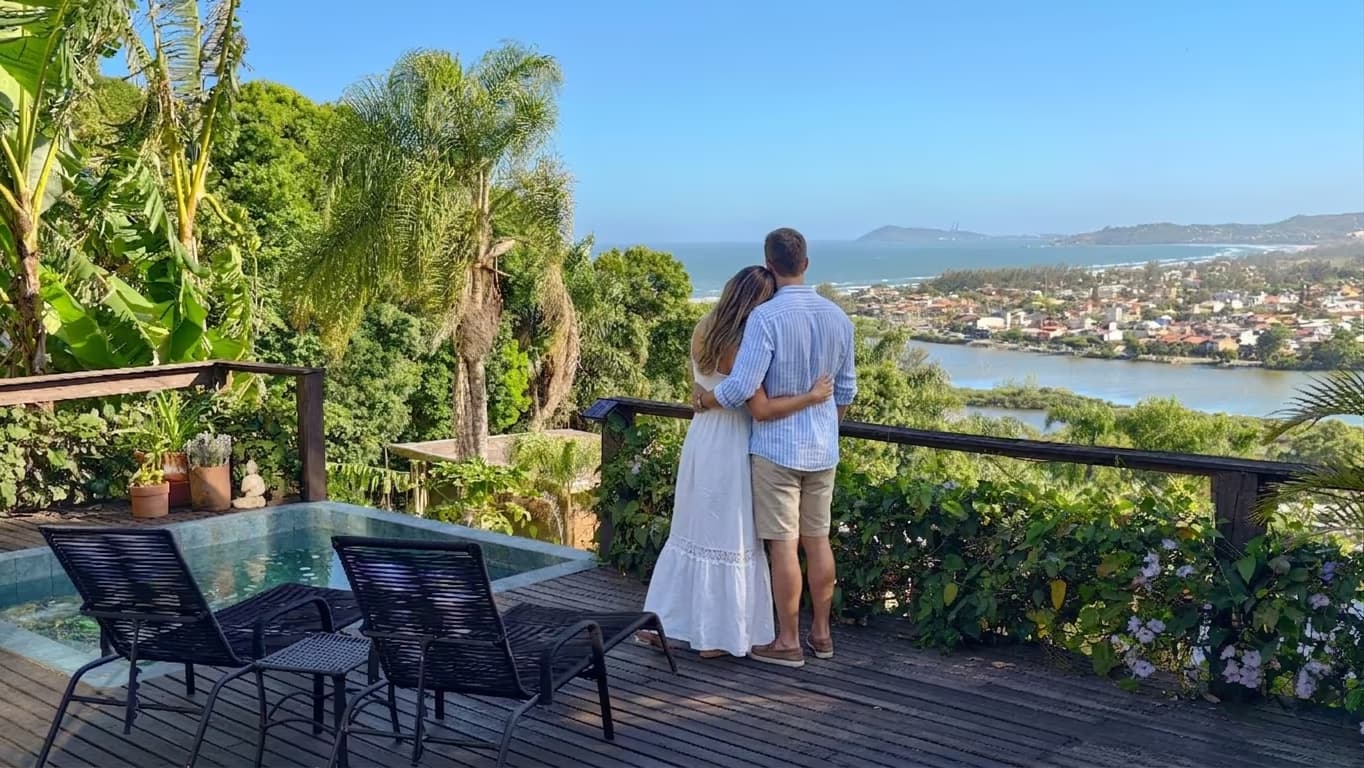
- 🏨 Where to stay: Ibirahill, in Ibiraquera, SC · where to stay in Ibiraquera
In mullet season, the beach changes rhythm. Boats are ready on the sand, watchers follow the sea and nets have their working space. Visitors who came for waves need to understand how the coast is shared during this period.
Artisanal fishing passes between generations, with Azorean influence and knowledge shaped on this coast. During the season, surfing may be suspended or redirected on stretches used by fishermen. In Imbituba, a written agreement, municipal legislation and flags govern this shared use.
Shared use has written rules
A 2026 MPF record describes the written agreement of 22 April 2004, municipal legislation and flag signalling. This is not a permanent closure of the entire sea or an automatic lagoon ban. Restrictions depend on the stretch and fishing operation. Check the flag and speak with fishermen and a local school before entering.
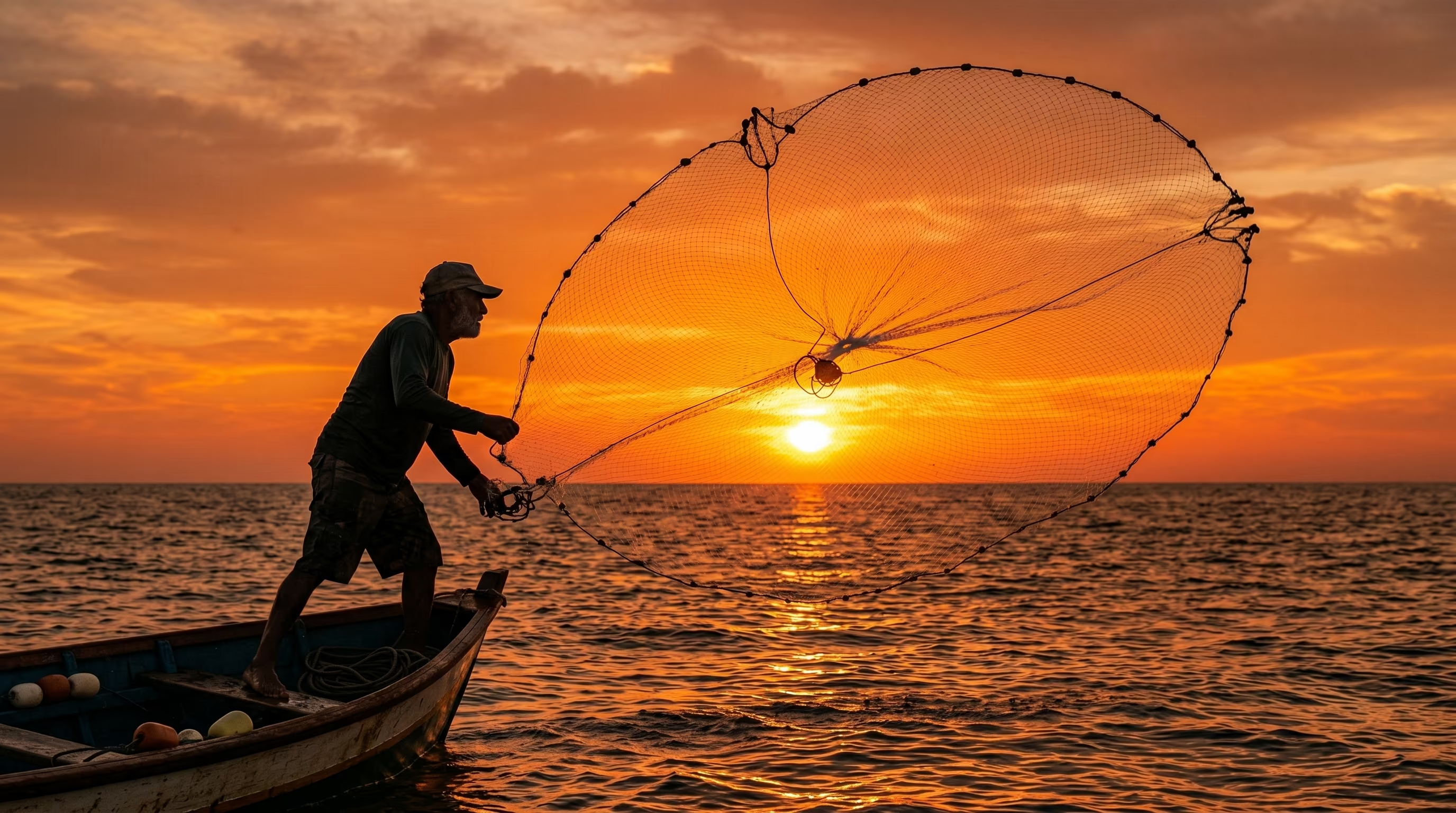
Azorean influence is part of this fishing culture, alongside Indigenous knowledge and practices shaped on the coast. The vigia has a role in the work: looking for shoals and guiding the operation. The haul requires coordination between those in the boat and those pulling the net on the beach.
The conflict the brochures don't talk about
Shared use of the sea can create tension. For someone who travelled for waves, a restriction changes the day’s plans. For fishermen, a passing shoal can be a working opportunity that will not return at a visitor’s chosen time.
Nets and sports can occupy overlapping areas. Entering the operation can disrupt the catch and create risk. Understanding the stretch’s rules, respecting signs and talking before using the water help manage that overlap.
Tradition matters. The written agreement and communication on the day help organise shared use.
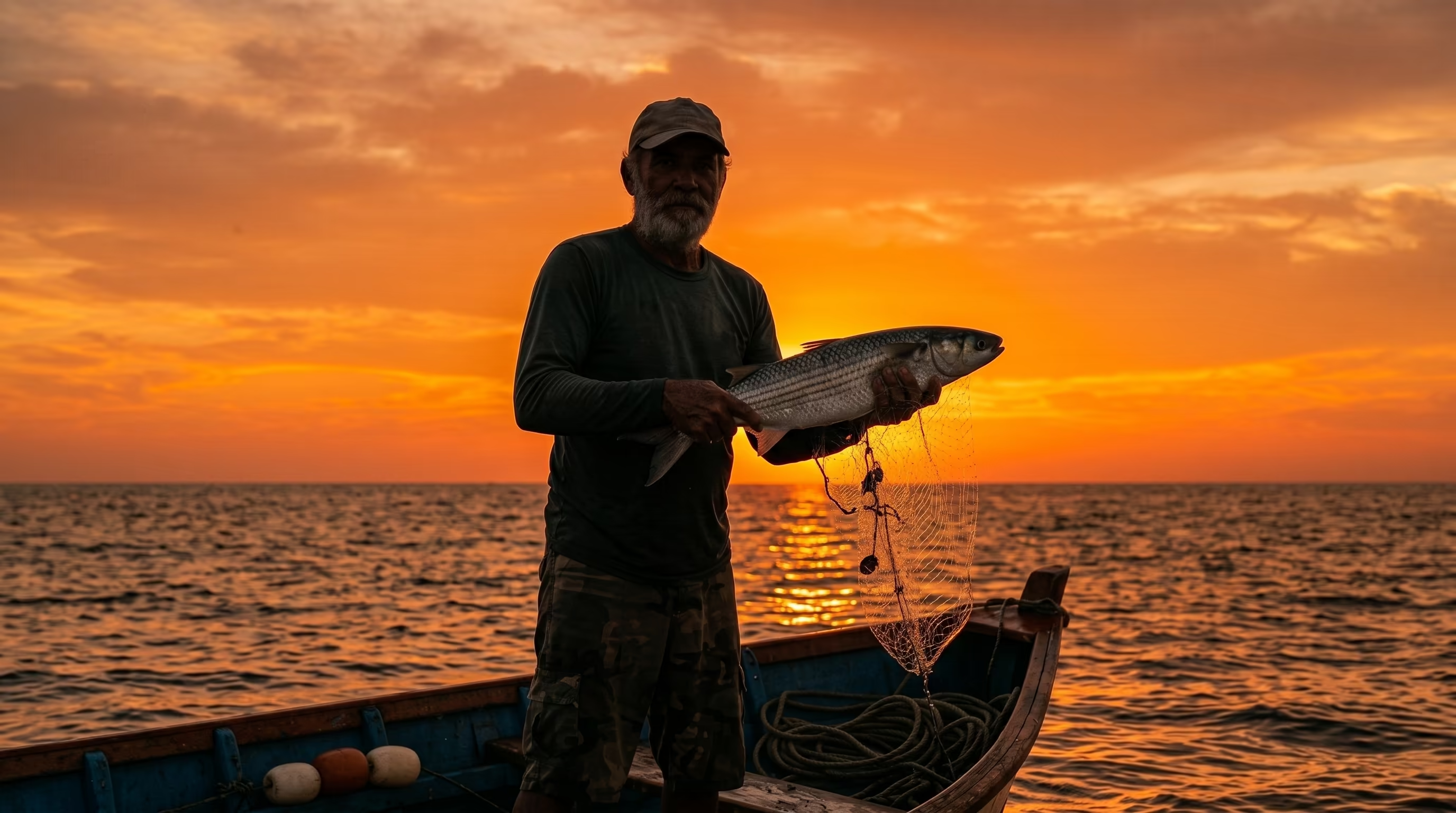
The beach changes identity
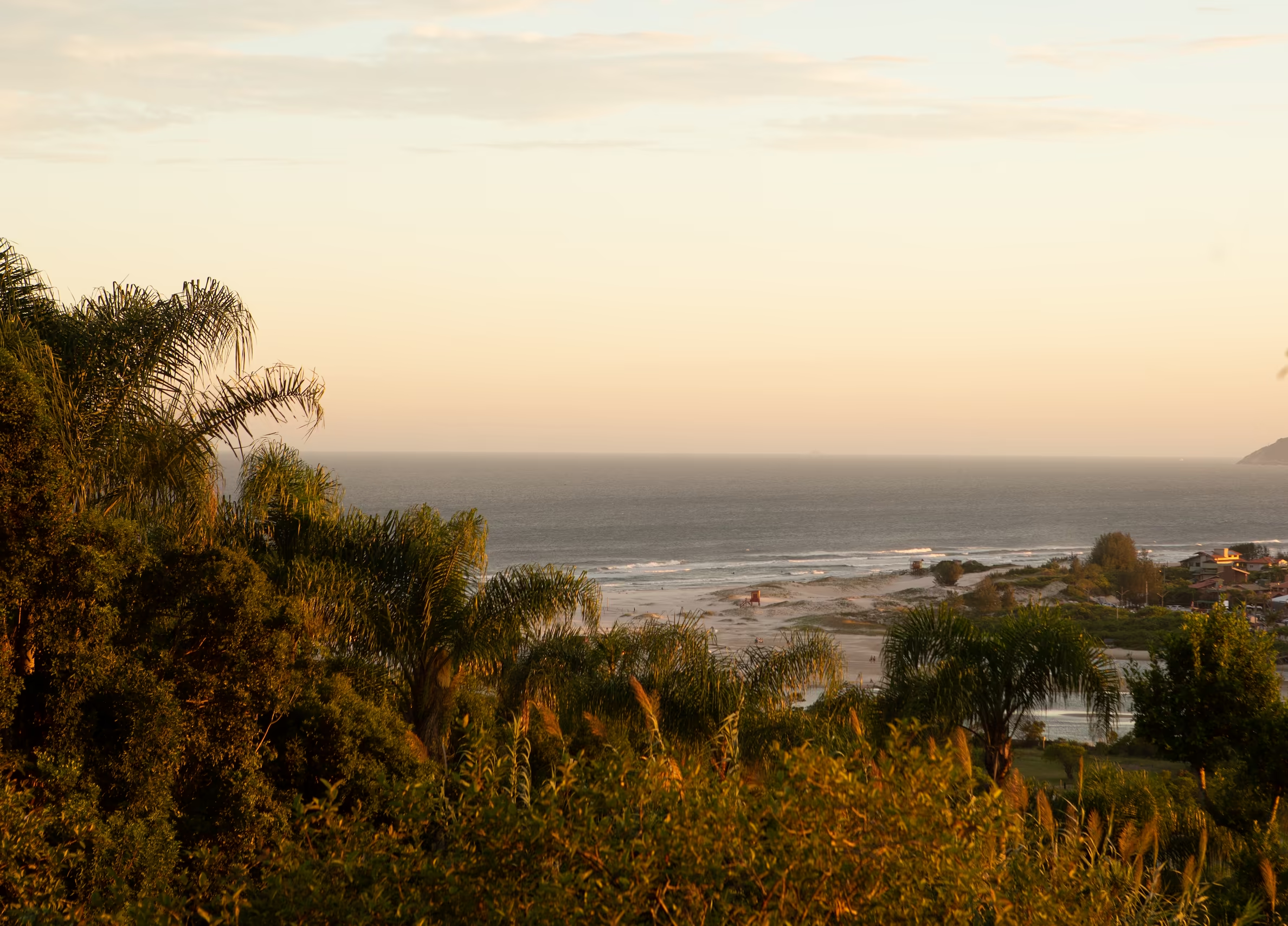
During the season, Praia do Luz and Barra de Ibiraquera take on another presence. Boats on the sand, nets in the sun, people repairing equipment. Work appears in the landscape; activity and visitor numbers change with shoals and conditions.
From Ibirahill, the coast remains part of the landscape. To watch fishing on the beach, choose a public access point and keep the working area clear.
The food that comes after the net
After a catch, mullet also reaches the table. Grilled or roasted, with roe or preserved, it is part of this coast’s cooking. Supply depends on the season and what reaches fishmongers and restaurants that day; there is no guaranteed alert or delivery service for guests.
At Galeria, the stainless-steel barbecue can be part of the evening. A mullet from Peixaria do Sena, depending on that day’s supply, lets you cook with a regional ingredient. Restaurante Tartaruga and Refúgio do Pescador are among the hosts’ recommendations for eating out; confirm the dish and evening service. Our guide brings together markets, fishmongers and restaurants.
The festivals that mark the sea's calendar
Fishing also appears in coastal celebrations. Religious dates are references; festivals, locations and programmes need checking with each community. Some examples:
-
Festival I Love Tainha, Florianópolis: the 2–3 May 2026 edition took place on Beira-Mar Continental in Estreito. This is a record of a past event in another municipality, not a confirmed annual Ibiraquera festival.
-
São Pedro Pescador, 29 June: the saint’s day associated with fishermen. Check whether a celebration or procession is planned and the programme of your chosen community.
-
Festa do Divino Espírito Santo: a tradition in coastal communities, with their own dates and programmes.
-
Nossa Senhora dos Navegantes, 2 February: another religious date connected with life at sea; check the year’s local events.
-
Boi-de-Mamão and Terno de Reis: regional cultural traditions with their own calendars. Look for programmes announced by communities.
Those visiting for fishing can also know life on land. Celebrations and work belong to the communities; a visit begins by respecting their time.
How to visit with respect
The season is not a scheduled spectacle. There is no guaranteed time for a net launch. If you find an operation, watch without occupying the working space, approaching the net or interrupting fishermen. What happens here is livelihood and continuity.
To plan a visit around the tainha, the whales, or the community festivals, the month-by-month Ibiraquera guide lays out the full calendar. To understand how each beach relates to the sea differently, see the three-beach comparison. And for the broader context, the complete guide to Ibiraquera covers the rest.
→ To time a stay with the tainha season and the June festivals, book one of the three Ibirahill houses and read the coast at its most authentic rhythm.
Frequently Asked Questions
Q: When is mullet season in Ibiraquera? A: The season usually mobilises the coast between May and July. Shoal arrivals vary; authorised periods and any closures follow the rules for each fishing method. Do not expect a fixed duration or fishing allowed through July every year.
Q: Can I surf or kitesurf during mullet season? A: It depends on the stretch and operation. Imbituba has a written agreement, legislation and flag signalling for shared use. Check the flag and speak with fishermen and a local school. Do not assume an automatic ban across the entire beach or lagoon.
Q: Why can fishermen and sportspeople come into conflict? A: Nets and sports can use the same stretch. Entering the water can interrupt work or create risk. Signs, the local agreement and a conversation before the session guide shared use.
Q: Where can I find mullet to eat in Ibiraquera? A: Peixaria do Sena is a recommendation for buying fish; Restaurante Tartaruga and Refúgio do Pescador are among the hosts’ choices for eating out. Confirm supply and the day’s menu. See the restaurant guide.
Q: Which celebrations are connected with fishing on this coast? A: São Pedro Pescador, Nossa Senhora dos Navegantes and Festa do Divino are among the cultural and religious references. Programmes change between communities and years. The 2–3 May 2026 Festival I Love Tainha took place in Florianópolis and has ended.
Founder's Perspective
The vigia’s signal is part of an operation connecting boat, net and people on the sand. To an observer, the waiting and coordination help show how much work happens before fish reaches the table.
Fishing predates the tourism and kitesurfing that now share this coast. But today’s shared use also has written rules and flags. The story should not be told as if a lack of agreement were the reason for priority.
I understand the frustration of someone arriving to surf and finding a restriction on that stretch. It would be unreasonable to pretend tradition resolves every discomfort. The fishermen’s work matters, and clear information lets visitors change plans without entering the fishing operation.
Our part at Ibirahill is to tell guests clearly: in the season, check flags and local guidance before entering the water. Visitors can follow a living practice without treating the fishermen’s work as a scheduled attraction.
For me, that's the part of this coast worth defending. Even when the defence is uncomfortable.