Whales in Imbituba: species, season and where to see
Quick answer
Southern right whales (Eubalaena australis) visit the Imbituba coast to calve and nurse their young. For a whale-focused trip, plan around July to November, with the peak generally in September. Ibiraquera is part of Imbituba, near the Luz, Rosa and Ribanceira viewing areas. At Ibirahill, the season can also be followed from the veranda.
In summary
- 🗺️ Location: Imbituba, Santa Catarina’s south coast
- 📅 Whale season: July to November; August and September usually bring more animals
- 🐋 Main species: southern right whale (Eubalaena australis)
- 🔭 Local viewing areas: Praia do Luz, Praia do Rosa and Ribanceira
- 🎟️ Land-based watching: choose a public access point; guided outings have their own arrangements
- 🏨 Where to stay: Ibirahill, in Ibiraquera, SC · where to stay in Ibiraquera
Quick facts
- Primary species: southern right whale (Eubalaena australis)
- Season for planning a trip: July to November
- Usual peak: September
- Official distinction: Imbituba is the National Capital of the Southern Right Whale, under Federal Law 12.282/2010
- Land-based watching: possible around Praia do Luz, Rosa and Ribanceira, without a boat
Whales in Imbituba are mainly southern right whales. They come from colder feeding areas to calve and nurse in the bays of Brazil’s south coast. From July to November, land-based watching is part of exploring the area. The number of animals and where they appear change through the season.
What the Southern Right Whale Is
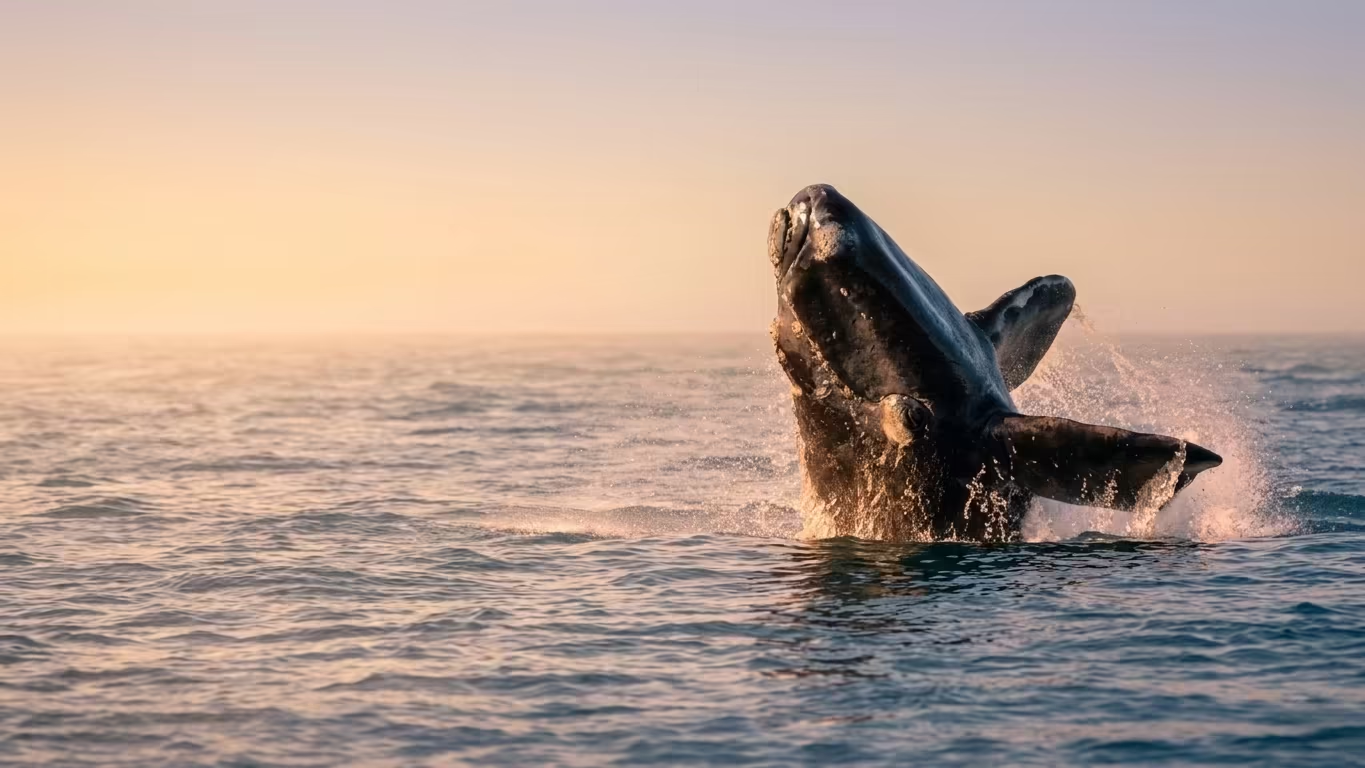
The southern right whale (Eubalaena australis) is one of the largest cetacean species in the southern hemisphere. Adults reach 14–17 metres and weigh up to 80 tonnes. Identified by white callosities on the head (each pattern is unique, like a fingerprint) and by the absence of a dorsal fin.
The migration connects cold feeding areas with bays used for breeding and nursing calves. The Imbituba coast is part of an important breeding area for the species on Brazil’s south coast.
Season Calendar
| Month | What to consider when planning |
|---|---|
| July | The season usually becomes more established along the coast |
| August | A useful window for planning whale watching |
| September | Usually brings more animals and the season’s peak |
| October | Watching continues, varying between bays and days |
| November | The season is drawing to a close |
| December–June | Outside the main season; occasional sightings may occur |
August and September are usually good choices for a whale-focused trip. Sightings occur outside that window and every season is different.
Where to See Them — Land-Based Viewpoints
Elevated points beside Praia do Luz The headland gives you a view over the sea. Choose an identified access point, check the path conditions and bring binoculars. Watch from land without chasing or deliberately approaching the animals.
Rosa Norte hillsides A view of the bay helps you look for animals in the water. Sightings depend on where the whales are and the day’s conditions.
Morro do Elegante, in Ibiraquera This is where Ibirahill stands. In season, southern right whales are frequently spotted from the terraces. That does not guarantee a sighting on every stay or make the property a public lookout.
Praia da Vila, by central Imbituba Another local beach for looking out to sea. Choose a public access point and check local conditions before arranging the outing.
Praia do Luz / Rosa Sul trail, via Mirante do Luz The trail starts on Luz’s northern headland and reaches Rosa Sul. The hosts allow about 25 minutes each way, plus stops. Farol de Santa Marta is in Laguna, farther south, and calls for a separate outing.
Boat or Land?
Most visitors come to Imbituba unaware that land-based observation is often more intimate than boat tours. Whales approach the coast precisely because they seek calm water for their calves. From elevated cliffs, you see natural behaviour — no engine noise, no disturbance.
Boat trips depend on operators authorised by ICMBio for the season. Confirm the authorisation, departure point and current rules before booking. For those who prefer silence and patience, land-based watching remains a good choice.
Where to Base From
Praia do Rosa, Praia do Luz and Ribanceira offer opportunities to watch from land. Ibiraquera is a base for exploring this part of Imbituba; access and travel depend on the point you choose.
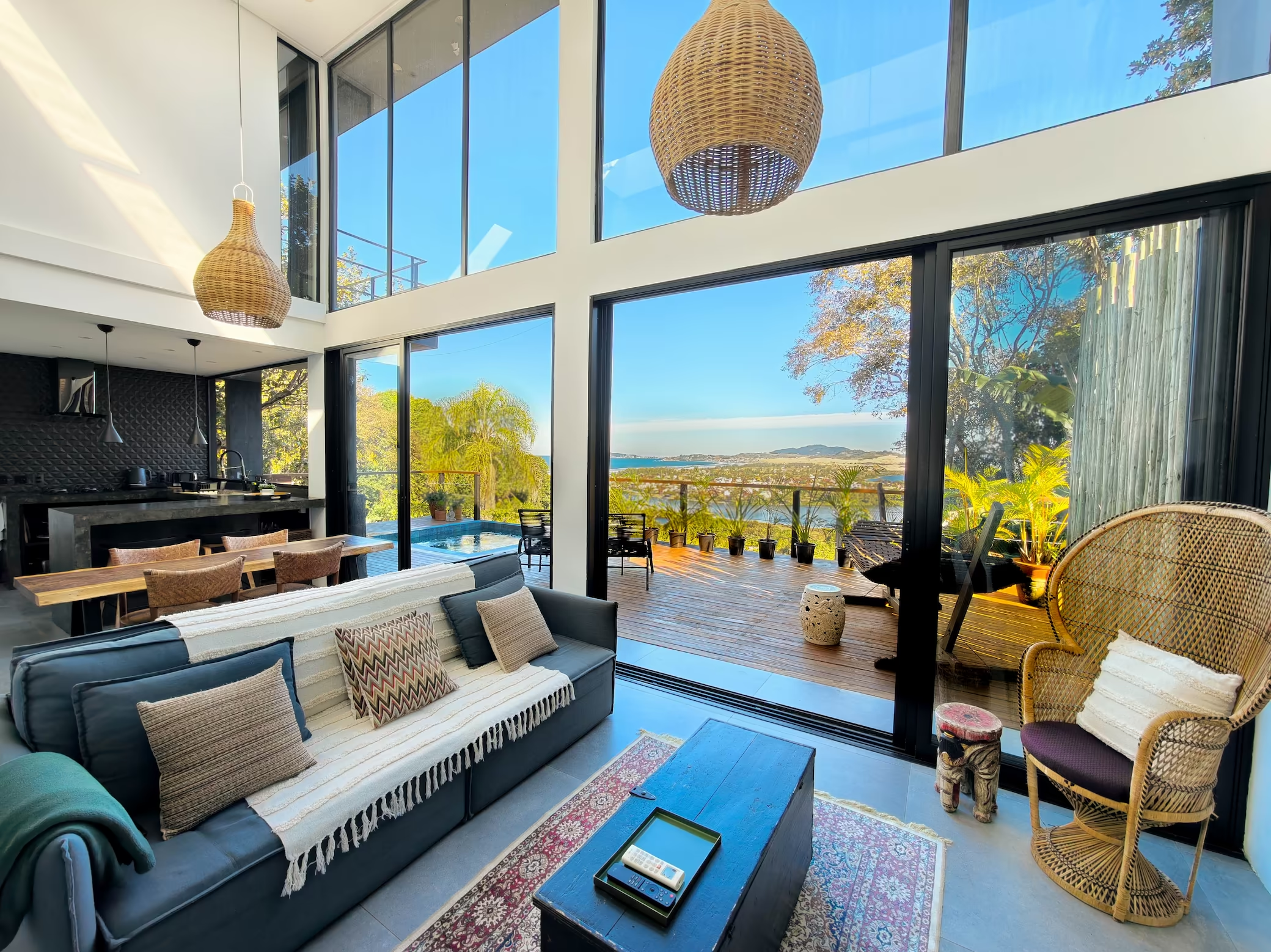
Ibirahill has three houses on Morro do Elegante in Ibiraquera. Praia do Luz is about 15 minutes on foot or 3 minutes by car. In season, the terraces also receive frequent whale sightings.
Read More
- Complete guide to whale watching in Ibiraquera and Praia do Rosa: the in-depth editorial piece.
- Where to stay near Praia do Luz: accommodation and local access.
- Best time to visit Ibiraquera: the regional calendar.
→ Explore the three houses at Ibirahill for a stay in whale season.
Frequently Asked Questions
Q: When is whale season in Imbituba? A: For planning a trip, July to November. August and September usually bring more animals, with the peak generally in September. Sightings occur outside that window and seasons vary.
Q: Can you see whales in Imbituba without a boat? A: Yes — and often it's better. The cliffs above Praia do Luz, Rosa Norte and Morro Elegante (Ibiraquera) deliver intimate views with no engine noise.
Q: Where can I watch whales in Imbituba? A: Praia do Luz, Praia do Rosa and Ribanceira are local areas where you can look for whales from land. Choose an identified access point and check where animals are being spotted that day.
Q: How many whales come per season? A: Counts vary with season, survey area and date. On the 25–26 September 2026 survey, ProFRANCA recorded 185 whales between Florianópolis and Rio Grande, with the largest concentration in the Ribanceira–Ibiraquera bay. That is not an annual Imbituba total.